
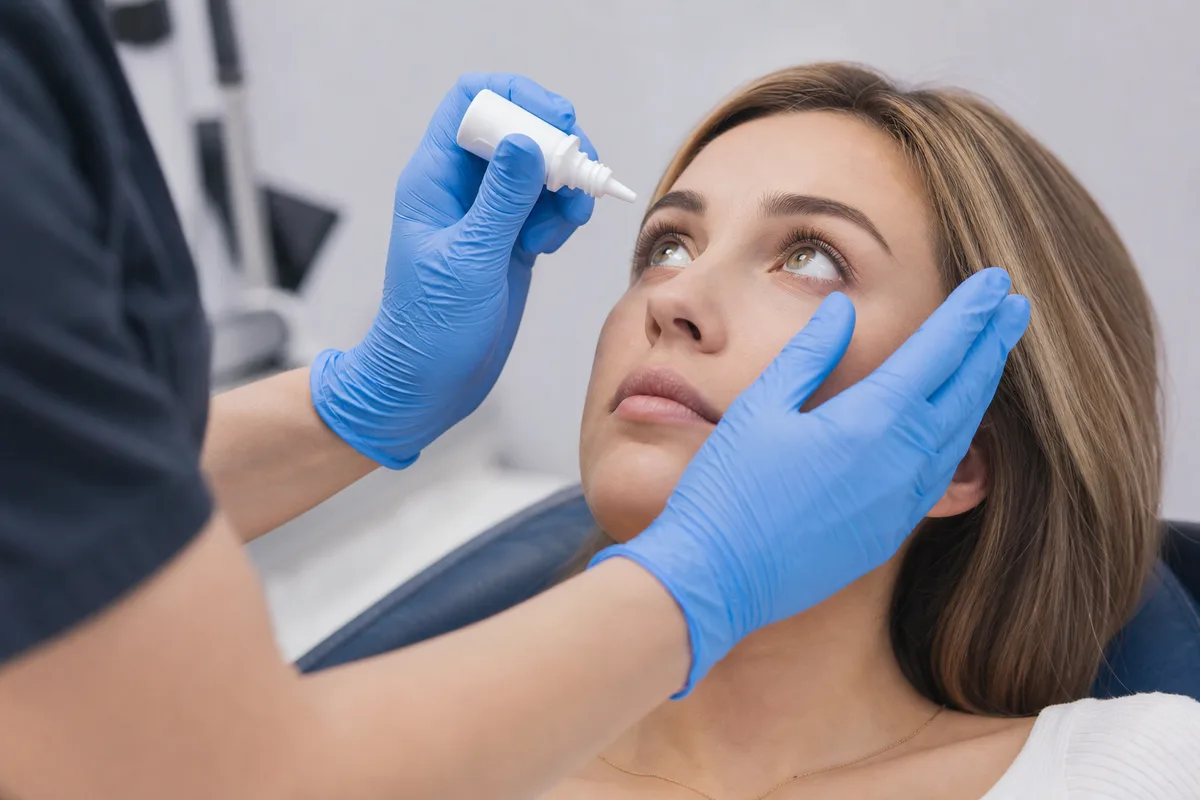
Understanding Dry Eye
Dry eye occurs when your eyes don't produce enough tears, or when the tears you do produce aren't of the right quality to keep your eyes properly lubricated. The result can range from mild irritation to persistent discomfort that interferes with daily activities like reading, screen use, or driving. Dry eye is common and highly treatable, but it's worth a proper evaluation rather than relying on guesswork with over-the-counter drops alone.
Common Symptoms of Dry Eye
- A stinging, burning, or scratchy sensation in the eyes
- Redness or a feeling of eye fatigue
- Sensitivity to light
- Blurred vision that improves with blinking
- A feeling of something in the eye (foreign body sensation)
- Watery eyes, which can seem counterintuitive but is often the eye's response to irritation
- Difficulty wearing contact lenses comfortably
What Causes Dry Eye?
Dry eye can result from a number of factors, including:
- Age: Tear production naturally tends to decrease over time.
- Environment: Wind, dry air, heating and air conditioning can all increase tear evaporation.
- Screen Time: Extended screen use reduces blink rate, which can worsen dryness.
- Contact Lens Wear: Some contact lenses can contribute to dryness if not fitted or cared for properly.
- Certain Medications and Health Conditions: Some medications and underlying conditions can reduce tear production or quality.
How We Evaluate Dry Eye
A dry eye evaluation looks closely at both the quantity and quality of your tears, as well as the health of the structures that produce them. This typically includes a discussion of your symptoms and history, along with an examination of your eyelids, tear film, and the surface of your eye to help identify the underlying cause of your discomfort.
Treatment Options
Because dry eye has several possible causes, treatment is tailored to what's driving your symptoms. Depending on your evaluation, your provider may recommend:
- Artificial Tears and Lubricating Drops: Often the first step for mild symptoms.
- Prescription Eye Drops: Medicated drops that help address inflammation or increase natural tear production.
- Lid Hygiene and Warm Compresses: Simple at-home routines that can improve the function of the oil glands along the eyelids.
- Lifestyle Adjustments: Guidance on screen habits, humidity, and other environmental factors that can ease symptoms.
- In-Office Treatments: For more persistent cases, additional in-office options may be discussed based on your specific evaluation.
Living With Dry Eye
Dry eye is often a manageable, ongoing condition rather than a one-time fix — many patients find relief with a consistent routine and periodic follow-up to adjust treatment as needed. Simple daily habits, like taking breaks from screens and staying mindful of your environment, can go a long way in reducing flare-ups between visits.
When to See Us
If you're dealing with ongoing eye irritation, redness, or discomfort — especially if over-the-counter drops aren't providing lasting relief — it's worth having your eyes evaluated. Getting to the root cause is the best way to find real, lasting comfort.
Ready to Book Your Appointment?
Contact us to schedule your dry eye evaluation and start finding relief.