
What Is Glaucoma?
Glaucoma is a group of eye conditions that damage the optic nerve, often related to elevated pressure inside the eye. It's sometimes called the "silent thief of sight" because it typically progresses gradually and without noticeable symptoms in its early stages — by the time vision changes are noticed, some degree of vision loss may have already occurred. This is exactly why regular glaucoma screening is so valuable: it can catch signs of the disease well before you'd notice anything wrong on your own.
What Glaucoma Screening Involves
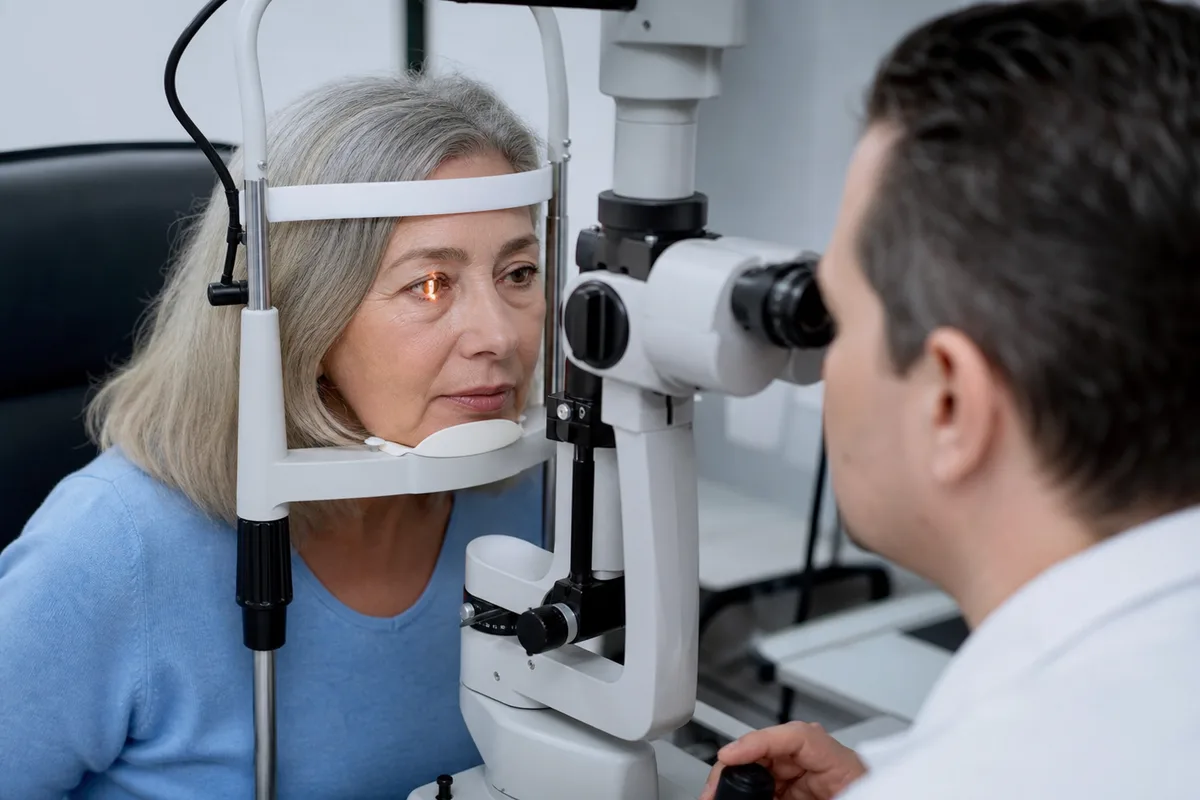
Glaucoma screening is typically part of a comprehensive eye exam and may include several painless tests:
- Eye Pressure Measurement (Tonometry): A quick test measuring the pressure inside your eye, one of the key risk factors for glaucoma.
- Optic Nerve Evaluation: A close look at the optic nerve to check for any changes in its appearance associated with glaucoma.
- Visual Field Testing: Assessing your peripheral (side) vision, since glaucoma often affects the outer edges of vision first.
- Corneal Thickness Measurement: Measuring the thickness of the cornea, which can affect eye pressure readings and overall risk assessment.
- Imaging of the Optic Nerve: Detailed imaging that helps track subtle changes to the optic nerve over time.
Who Is at Higher Risk?
While glaucoma can affect anyone, certain factors increase risk, including:
- Age over 40, with risk increasing further with age
- A family history of glaucoma
- Elevated eye pressure
- Certain medical conditions, including diabetes
- Previous eye injuries
If any of these apply to you, it's worth discussing your personal screening schedule with your provider.
Why Early Detection Matters
Vision lost to glaucoma cannot be recovered, which makes early detection especially important. When identified early, glaucoma can typically be managed to help slow or stop further optic nerve damage, preserving as much vision as possible. This is why routine screening — even when your vision feels completely normal — is one of the most effective tools for protecting your long-term eye health.
Co-Management With Ophthalmology
Our optometry and ophthalmology providers work together on glaucoma care. If screening identifies signs of glaucoma or elevated risk, our optometry team can coordinate closely with our ophthalmology providers for further evaluation and, if needed, ongoing management — so you have continuity of care in one place rather than being sent elsewhere to start over.
What to Expect at Your Screening
Glaucoma screening is quick and comfortable. The tests involved don't require needles and typically take just a few extra minutes as part of your regular eye exam. Your provider will review your results with you, explain your individual risk factors, and recommend a follow-up schedule based on your specific eye health.
Ready to Book Your Appointment?
Contact us to schedule your glaucoma screening and take a proactive step in protecting your vision.